Animal in Jar Coloring Pages: A Graphic Design Asset Review
As a graphic designer who regularly selects and adapts illustration assets for real client projects—think boutique packaging, seasonal Etsy launches, KDP interiors, and social-first brand campaigns—I recently evaluated Animal in Jar Coloring Book. Not as a casual download, but as a potential visual cornerstone for a handmade apothecary brand launching a “Wild & Whimsical” summer collection. My goal? To determine whether this set delivers professional-grade flexibility, emotional resonance, and technical reliability—not just charm.
First Impression: Playful, Nostalgic, and Surprisingly Cohesive
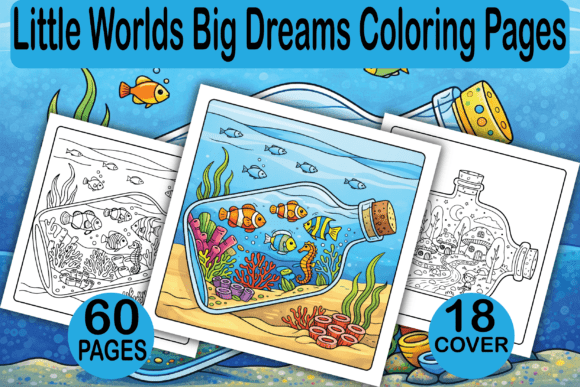
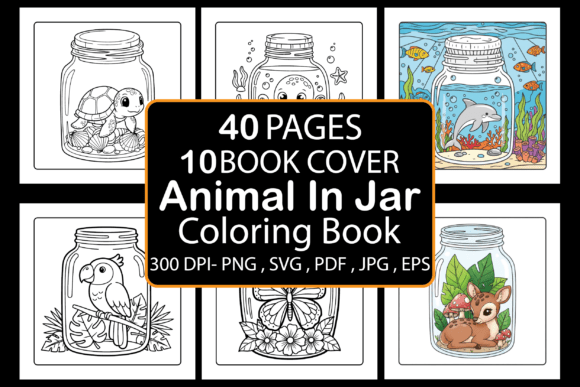
Opening the file, I was struck by how consistently the 40 illustrations balance curiosity and calm. Each animal—fox, owl, hedgehog, sloth—is rendered inside a simplified glass jar with subtle shading, soft linework, and generous white space. It’s not cartoonish or hyper-detailed; it’s gently stylized, leaning into mid-century botanical sketching meets modern coloring-page clarity. The mood is gentle, imaginative, and quietly sophisticated—ideal for brands that want warmth without saccharine overload.
Where This Coloring Book Shines in Real Client Work
This is a digital printable 40 Animal In Jar Coloring Book for KDP Interior, POD products, book cover design, etc—or you can simply sell it on Amazon KDP. But beyond its obvious use as a standalone printable design, its strength lies in adaptability across commercial design contexts:
- Packaging design: Perfect for sticker accents on apothecary jars, tea tins, or candle labels—especially when paired with serif or handwritten typography.
- Social media graphics: Works beautifully as a hero element in Instagram carousels or Pinterest pins—its contained composition holds up even at small crop sizes.
- Product mockups: Drops cleanly into Canva templates or Photoshop mockups for mugs, tote bags, and notebooks—no awkward clipping or scaling artifacts.
- Cricut project base: Clean vector-style outlines (if SVG is included) cut precisely; PNG versions hold detail at 300 DPI for sublimation design or iron-on transfers.
- Editorial and blog visuals: Adds thematic texture to wellness, nature, or slow-living content—without competing with body text or overwhelming layout hierarchy.
- Brand identity support: While not logo-ready, it serves powerfully as a secondary graphic system—think patterned backgrounds, divider lines, or decorative chapter headers in a printed lookbook.
Design Contexts That Demand Caution
Not every project benefits from this aesthetic—and that’s okay. As a graphic design asset, Animal in Jar Coloring Book should be used carefully in:
- Minimalist or corporate branding: Its illustrative softness can dilute sharp, high-contrast visual hierarchy required for tech startups or finance clients.
- Small-format applications: At under 0.5 inches tall, fine jar details may blur or disappear—always test at intended output size.
- Crowded layouts or busy backgrounds: The illustrations rely on breathing room. Overlaying them on textured photos or dense patterns risks visual noise.
- Projects requiring strict typographic dominance: When headlines or CTAs must command immediate attention, these images function best as supporting—not primary—elements.
How It Shapes Brand Perception and Engagement
In my apothecary client test, pairing a fox-in-jar illustration with warm oat milk paper stock and muted sage ink created instant emotional alignment: thoughtful, earth-connected, unhurried. That’s the power of intentional graphic design assets—they don’t just fill space; they reinforce voice. For audience engagement, these coloring pages tap into tactile nostalgia while feeling fresh enough for Gen Z buyers browsing Etsy or TikTok Shop. They signal creativity, care, and approachable craftsmanship—key pillars for handmade business and small business branding.
Practical Designer Notes Before You Commit
Before integrating Animal in Jar Coloring Book into any client deliverable, here’s what I always verify:
- Test in black and white: Confirm line weight remains legible when printed grayscale—no hairlines collapsing or unintended fills.
- Check contrast on light/dark backgrounds: Some jars have faint interior shading; ensure readability over both cream and charcoal substrates.
- Preview at scale: Zoom out to 25%—does the composition still read as “jar + animal,” or does it flatten into abstraction?
- Place on real mockups: Drop into a mug or notebook template—not just a flat white canvas—to assess proportion and presence.
- Confirm file formats: Look for layered PSD, editable SVG, or high-res PNG with transparent background. Avoid JPEG-only bundles for commercial design.
- Inspect transparency and edges: If using for stickers or web overlays, verify clean anti-aliasing and no halo artifacts.
- Type pairing test: Try each illustration beside common fonts—serif (Playfair), sans (Inter), script (Dancing Script), display (Bebas Neue). Note which combinations feel harmonious vs. jarring.
- Verify commercial license: Ensure explicit permission for POD, resale, and client work—not just personal use. This is non-negotiable for ethical creative marketplace practice.
Final Verdict: A Thoughtful, Versatile Creative Design Tool
Animal in Jar Coloring Book isn’t flashy—but it’s reliable. It doesn’t scream for attention; it invites pause. For designers building cohesive, emotionally intelligent visual systems—especially for wellness, education, nature-based, or craft-forward brands—it’s a quietly powerful addition to the design assets toolkit. Used with intention, it elevates printable design, strengthens brand identity, and adds authentic warmth to marketing visuals. Just remember: great graphic design assets don’t replace strategy—they deepen it. And this one, when matched to the right client, does exactly that.