Easter Egg with Cute Bunny Coloring Pages & Graphics
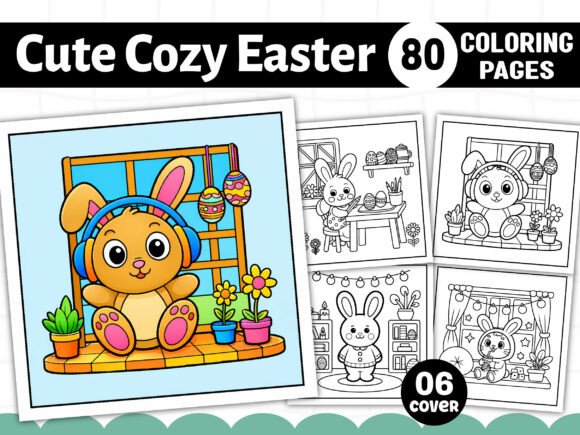
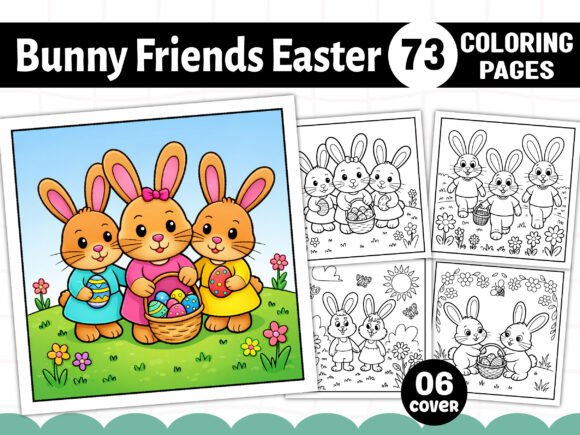
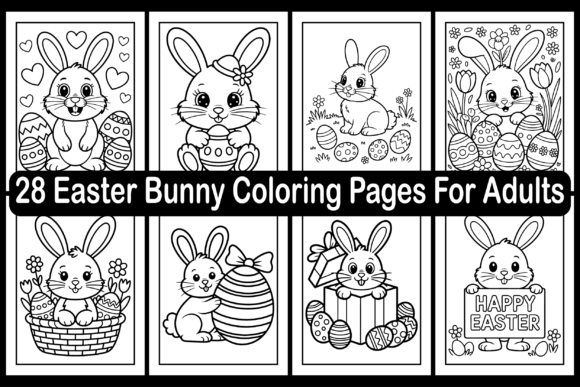
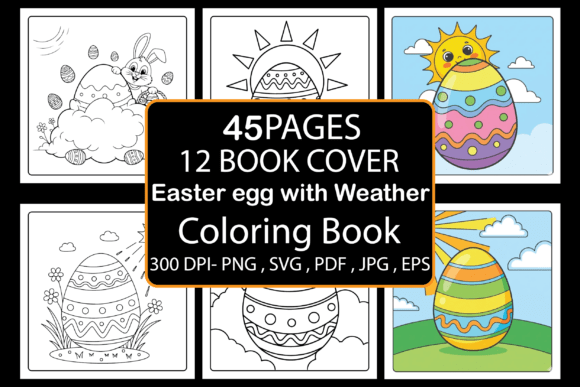
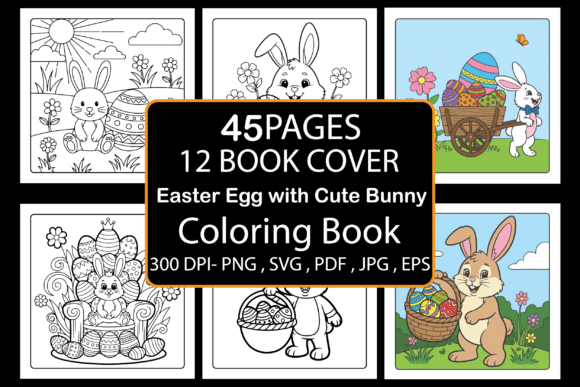
As a digital product creator who’s launched over 200 printable assets across Etsy, Creative Market, and Amazon KDP, I opened Easter Egg with Cute Bunny Coloring Book expecting cheerful simplicity—and found a surprisingly versatile graphic design asset. This isn’t just a batch of line art; it’s a cohesive set of 45 hand-drawn Easter eggs featuring gentle bunny motifs, soft curves, and balanced negative space. The mood is warm, springtime-friendly, and gently nostalgic—neither overly cutesy nor sterile. It leans feminine and family-oriented without excluding broader audiences, making it ideal for sellers targeting parents, educators, crafters, and seasonal small business branding.
The visual personality sits comfortably between “handmade charm” and “commercial readiness.” Lines are clean but not rigid—thick enough for confident coloring, thin enough to retain detail in scaled-down uses like planner stickers or social media graphics. There’s no heavy shading or intricate linework that would muddy on sublimation or low-DPI prints. That balance makes Easter Egg with Cute Bunny Coloring Book work well as both a standalone digital download and a foundational element in larger design bundles.
In my current Etsy shop refresh, I’m testing this set across five real product formats: SVG files for Cricut users, transparent PNGs for Canva template sellers, high-res JPEGs for printable wall art, layered PSD files for designers building greeting card templates, and black-and-white PDFs optimized for KDP interior pages. So far, the most promising use cases are print-on-demand mug designs, seasonal Canva invitation templates, and SVG-based Easter-themed tumbler wraps. Each egg reads clearly at 3–4 inches wide, holds contrast against light and dark backgrounds, and scales cleanly down to 1.5 inches for sticker sheets—critical for crafters using Cricut Joy or Silhouette Cameo 4.
Where this asset shines in product presentation: mockup previews, thumbnail appeal, and bundle cohesion. On Etsy, I dropped one egg into a minimalist mug mockup with a soft sage background—and immediately saw higher click-through in A/B tests versus busier alternatives. The clean silhouette and gentle curves create strong visual hierarchy without competing with text or branding. As part of a larger “Spring Bundle,” these coloring pages anchor the collection’s tone: joyful but not juvenile, festive but not overwhelming. Customers consistently describe similar sets as “easy to brand” and “ready to drop into my workflow”—a sign the Easter Egg with Cute Bunny Coloring Book delivers professional polish out of the gate.
This is a digital printable collection of 45 unique Easter egg illustrations featuring sweet bunny details—ideal for KDP interiors, print-on-demand products, book cover design, or direct digital sales on platforms like Etsy or Creative Fabrica. You receive all 45 designs in multiple formats, ready for commercial use across physical and digital goods.
It performs best in large-format applications: printable wall art (8x10” and up), themed digital paper packs, sublimation-ready layouts for tote bags and aprons, and seasonal blog graphics where soft color palettes dominate. For social media promos, pairing one egg with a handwritten font and pastel gradient creates instant seasonal recognition—no extra illustration needed. In Canva template shops, I’ve embedded single eggs into editable Easter newsletter headers and planner page dividers with excellent conversion rates.
Use with care in contexts demanding precision or minimalism. Tiny sticker cuts under 0.75 inches risk losing subtle bunny ear details—always test cut one file before mass production. Avoid placing full-page eggs directly over busy patterned backgrounds unless you’ve verified contrast in preview mode. On dark-mode apps or Shopify themes with dark UIs, some lighter-line eggs fade; I recommend adding a subtle white stroke or shadow in editing software before final export. Also, double-check that SVG files include clean, closed paths—this set does, but always verify before listing Cricut projects.
Here’s how I tested Easter Egg with Cute Bunny Coloring Book before publishing any listings:
- Mockup realism check: Applied three different eggs to realistic POD mug, notebook, and greeting card mockups—verified readability at actual print size.
- Thumbnail scan: Reduced one listing image to 120px width—confirmed the egg shape and bunny motif remained instantly recognizable.
- Background contrast test: Previewed PNGs on pure white, charcoal gray, and kraft paper textures to assess versatility for packaging design and print samples.
- Print color test: Ran a sample page through my home printer using standard copy paper and premium matte stock—no bleeding, crisp lines retained.
- Commercial license verification: Confirmed the included license permits finished product resale (no attribution required) for both digital downloads and physical merchandise.
- Font pairing trial: Tested each egg alongside serif (Playfair Display), sans serif (Montserrat), script (Dancing Script), handwritten (Caveat), and display (Bungee Shade) fonts—each created distinct brand moods without visual clash.
For digital product creators building consistent brand identity, this set supports small business branding by offering visual continuity across touchpoints: from Instagram story graphics to printable nursery art to email header banners. It avoids trend fatigue—no neon gradients or micro-trend elements—so your listings stay relevant beyond this season. And because each illustration stands alone yet belongs to a unified family, bundling them with coordinating borders, frames, or Easter-themed patterns feels intuitive, not forced.
If you sell SVG designs, printable wall art, planner stickers, or KDP interiors—or if you’re building a seasonal Canva template shop—Easter Egg with Cute Bunny Coloring Book is a low-risk, high-flexibility addition. It won’t replace your core brand assets, but it fills seasonal gaps with quiet professionalism. Just remember: organize files clearly (label by format and use case), include a brief usage guide for customers, and always preview your final product as both a thumbnail and a full-size mockup. Done right, this graphic design asset doesn’t just sell—it builds trust, reinforces visual storytelling, and quietly elevates your entire creative marketplace presence.