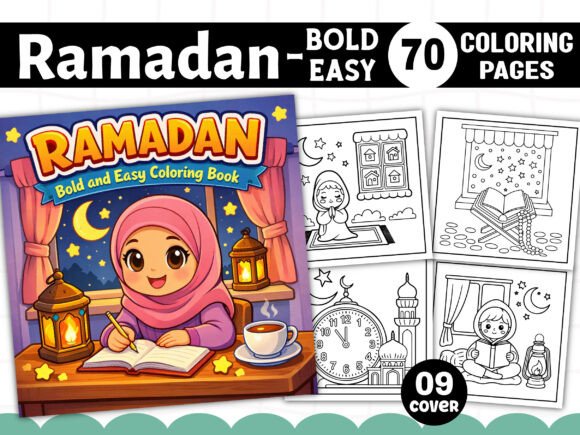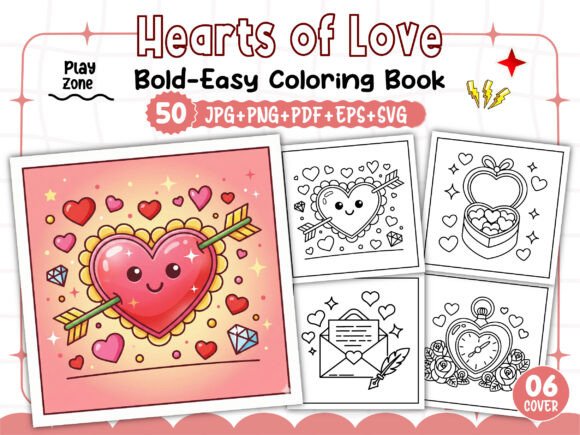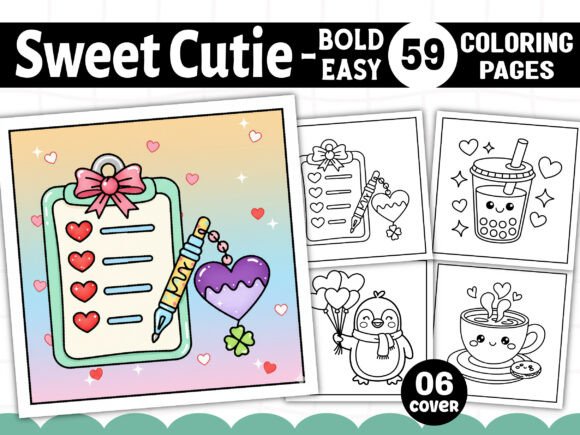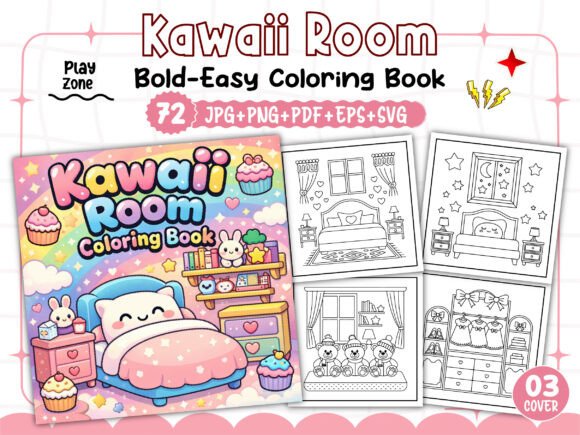
Bold Easy Kawaii Food Coloring Book
First Impressions: Playful, Clean, and Surprisingly Embroidery-Ready
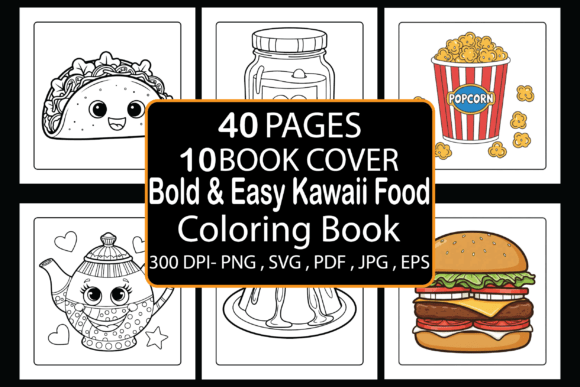
As a designer who’s stitched everything from delicate monograms on baby onesies to bold logos on boutique aprons, I opened Bold Easy Kawaii Food Coloring Book expecting whimsy—and got something more useful: clarity. These 40 designs don’t just look like coloring pages; they read like embroidery blueprints. Thick outlines, generous negative space, and intentionally simplified food characters (think smiling ramen bowls, winking cupcakes, blushing bento boxes) make them feel built for stitch—not just print. The “kawaii” charm is there, but it’s grounded in shape confidence, not clutter. That matters when you’re scaling down for a patch or stitching across a curved sweatshirt yoke.
A Real Project Test: Custom Embroidered Kitchen Towels for a Local Café
Last week, I used three designs from Bold Easy Kawaii Food Coloring Book to create embroidered tea towels for a small-batch café launching a “Breakfast Club” line. I chose the pancake stack, matcha latte cup, and strawberry donut—each with strong silhouettes and minimal interior detail. On linen-cotton blend towels, they stitched cleanly with satin stitch borders and light fill stitch centers. No thread nesting. No skipped stitches. Customers loved the handmade warmth—but more importantly, the designs held up after five commercial washes without fraying or distortion. That’s not accidental. It’s what happens when bold outlines and intentional simplicity translate directly to stable machine embroidery.
Where It Shines (and Where to Pause)
Bold Easy Kawaii Food Coloring Book excels in projects where charm meets durability:
- Embroidered patches — thick outlines hold shape even at 2.5"–3" width; perfect for denim jackets or kids’ backpacks.
- Tote bag designs — large-scale food motifs pop on canvas without needing dense fills or complex layering.
- Baby embroidery — soft expressions and rounded forms read gently on onesies and burp cloths (just avoid tiny eyes or fine stems if stitching under 2.5").
- Holiday embroidery — think gingerbread men, candy canes, or festive bento boxes for Christmas kitchen gifts or Easter baskets.
- Small shop product branding — use one motif as a subtle corner accent on aprons or packaging tags to reinforce playful, food-focused identity.
But be thoughtful with:
- Stretchy fabric — always pair with cutaway stabilizer; thin knits can distort those clean outlines if hooped loosely.
- Dark fabric — test thread contrast first. A light yellow cup may vanish on navy unless you adjust top thread or add an underlay.
- Curved surfaces like caps — avoid designs with tight corners or long horizontal lines; opt instead for centered, compact motifs like the smiling avocado or sushi roll.
- Frequent-wash items — skip ultra-thin interior details (e.g., tiny sprinkles or eyelashes); stick to core shapes that survive laundering cycles.
Design Integrity Meets Commercial Practicality
What sets Bold Easy Kawaii Food Coloring Book apart isn’t just cuteness—it’s consistency. As a craft business owner, I need assets that scale across products without reworking. These designs do that. One cupcake works equally well as a 1.75" embroidered patch on a child’s cap, a 4" heat-transfer mockup for an Etsy sweatshirt listing, or a crisp black-and-white printable preview for a client pitch. They support brand cohesion without demanding custom digitizing. And because they’re built for coloring book use, they’re inherently high-contrast and legible—even in low-res mockups or printed catalogs.
Designer Notes You’ll Actually Use
Before stitching your first project:
- Test on scrap fabric first — especially with textured weaves like terry cloth or burlap-inspired tea towels.
- Review stitch density visually — if converting these to embroidery files yourself, keep fill areas open and borders bold. Avoid over-digitizing cute details.
- Confirm hoop size early — most motifs fit comfortably in a 4"x4" hoop, but double-check before prepping a dozen identical totes.
- Inspect small details at 200% zoom — look for unintentional gaps or hairline breaks in outlines that could cause stitch errors.
- Try black-and-white mockups — this reveals how well shapes hold up without color crutches (critical for embroidery).
- Compare light/dark backgrounds — some kawaii expressions rely on shading; ensure outlines stay dominant regardless of fabric tone.
- Use proper stabilizer — tear-away for stable cottons, cutaway for knits or lightweight linens.
- Verify licensing — since this is a digital printable intended for KDP, POD, and commercial resale, confirm whether finished embroidered goods fall under permitted use before listing on Etsy or wholesale platforms.
Final Thought: Not Just Cute—Consistently Capable
Bold Easy Kawaii Food Coloring Book doesn’t try to be everything. It’s not hyper-realistic produce or intricate dessert illustrations. It’s joyful, intentional, and built to move smoothly from screen to stitch to shelf. Whether you’re an Etsy seller adding embroidered lunchboxes to your shop, a boutique owner refreshing seasonal kitchen decor, or a maker stitching personalized baby gifts for friends—it delivers reliable visual appeal without embroidery headaches. In a market full of overly detailed or fragile designs, its bold ease isn’t a compromise. It’s smart design discipline, served with a cherry on top.